Find industry information, news and updates from AFPM, and connect to our media team.

Recent Posts

What they’re saying: Why fuel prices aren’t moving in lockstep with crude oil 

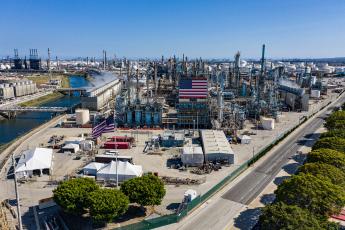
Geopolitical conflicts, refinery outages, export restrictions and supply chain disruptions have reduced the world's ability to convert crude oil into usable fuels, even as global consumer demand remains strong. The following perspectives from analysts and reporters help explain why fuel prices today aren’t moving in lockstep with crude oil prices, and why refining capacity has become one of the most important factors shaping what consumers pay at the pump.

AI advances take safety to new heights 

People are increasingly turning to tools like ChatGPT and Copilot to get quick answers, draft content or spark new ideas. But artificial intelligence (AI) is doing much more than offering guidance — it is reshaping some of the world’s most complex and safety critical industries.

What they’re saying: Fuel prices and high earnings result from stress in global refining

Some have been surprised by recent refining margins, earnings in the refining sector and a seeming disconnect between finished fuel prices and prices of crude oil. There’s a reason for this: in short, while the price of crude oil is the biggest factor determining fuel prices, it’s not the only factor, and there’s particular tightness in the global refined product market which hadn’t been the case until recently. Take a look to see what several analysts, reporters and market experts have explained about this topic.

Why it’s essential for the U.S. to import and export energy

Supply disruptions tied to the Strait of Hormuz have renewed questions about U.S. energy security and why events halfway around the world still affect energy markets here at home. While we are the world’s largest crude oil producer and make more than enough gasoline, diesel and jet fuel to meet domestic demand, we still import and export both crude oil and refined products.

Walking the Job — Where safety starts

Safety is priority one for refiners and petrochemical manufacturers. Every day, our industries operate in complex, high‑risk environments where careful planning, clear communication and shared accountability are essential to keeping people safe. One of the most effective ways companies reinforce that commitment is through a long‑standing practice known as Walk the Job — a successful practice that helps ensure work is done safely before it ever begins. afpm

Hurricane Season 2026: Calm on the horizon, prepared on the ground

Hurricane season officially began June 1 — and while early forecasts point to a “below normal” Atlantic season, there’s no such thing in our industries as taking a season off. Forecasters are calling for just one to three major hurricanes and three to six in total this year, a relatively modest outlook by recent standards.

Why some fuel markets are tighter than others.

The closure of the Strait of Hormuz is putting pressure on global oil and fuel markets. In the United States, our refineries are running hard to meet demand but supplies are tighter in some areas of the country that have fewer local supply options and limited ability to quickly bring in fuel from other regions.