Preface: So, I was asked if we can somehow tie Moon Day with petrochemicals. I said that I’m pretty sure space suits are made from synthetic materials, so that’s a pretty good tie-in.
Plastic roads and buildings, the influence of energy and petrochemicals in geopolitics, and chemical and molecular recycling processes that could create a truly circular economy for plastic products were just a few of the topics discussed at AFPM’s 44th International Petrochemical Conference (IPC) in San Antonio last week.
WASHINGTON D.C. – The American Fuel & Petrochemical Manufacturers (AFPM) today released the following statement in response to the U.S. Senate procedural vote on the Green New Deal resolution.
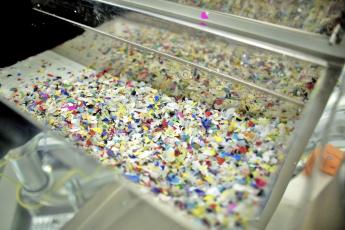
An engineer scoops a handful of tiny pellets out of a stainless-steel canister at a manufacturing plant in the Netherlands and rolls them around in his hand.
As petrochemicals and recycling advancements give old plastic new life over and over again—from shoes and clothes made of recycled plastic recovered from the ocean, to plastic bottles being chemically recycled into fuel and a raw material to make new petrochemicals—what it means to “recycle” is changing right before our eyes.
If you read the headlines in the news lately — “Greenhouse Gas Emissions From Plastics Are Predicted to Rise,” “New Texas petrochemical projects add millions of tons of greenhouse gas pollution, report finds” — you’d think emissions from the petrochemical industry were getting worse.