Winter in some parts of the country means it’s time to breakout the snow boots, warm winter gear and shovels, but to people in the southwest United States, this isn’t a part of their winter customs.
Decarbonizing heavy trucks and airplanes, which will continue to rely on liquid fuels for the foreseeable future, once seemed a distant dream. That is changing thanks to innovation and investment from America’s fuel refiners, which are manufacturing renewable diesel and sustainable aviation fuels that cut carbon emissions by as much as 80 percent.
In 2019, Chevron Phillips Chemical (CPChem)’s Sustainability Technical Manager Ron Abbott was given a seemingly insurmountable challenge: by 2020, make CPChem the first company in the U.S. to announce commercial production of a circular polymer made by converting plastic waste into the chemical building blocks for new plastic. A cross-functional team was launched and started chipping away at the goal.
Behind government “moonshots” and corporate sustainability pledges lie multitudes of technological innovations required to make these aspirations possible. The fuel and petrochemical industries play critical roles in advancing and scaling the new technologies that will help us address the dual challenge of providing the products the world needs to thrive while operating in an increasingly sustainable way.
COVID-19 upended energy markets. Demand disappeared and producers scaled back. Now that economies are reopening, and the demand for goods and services is rebounding, the demand for energy all along the supply chain is increasing, driving up not only the cost of the feedstocks and fuels refineries and petrochemical manufacturers use, but also the cost of the energy used at every step of the supply chain.
Hurricane Ida knocked out power to over one million people and created devastation that will take months to address. But as soon as the storm passed, the fuel and petrochemical industries began stepping up with financial assistance, in-kind donations and in-person support to help affected communities recover and rebuild.
Right now, members of Congress are debating a series of taxes as part of the multi-trillion-dollar reconciliation package that could make the crude oil that runs through U.S. refineries more expensive.
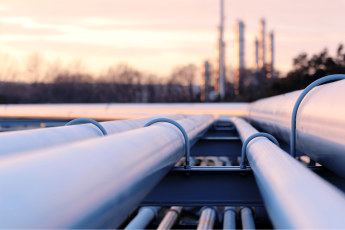
It’s an often-overlooked fact that pipelines are the safest way to transport crude oil, natural gas liquids, petrochemicals and refined products on land.