Across the country, federal and state “superfund” legislation and various lawsuits are seeking to impose financial liability on U.S. energy companies for the global effects of climate change. A cumulative cost for such policies and legal actions (and clarity around who might actually pay) has been hard to come by… until recently.
Power The Future issued a report in September — Who Really Pays? The Consumer Cost of Climate Litigation and “Climate Superfund” Legislation in the United States — modeling the potential costs if climate superfund bills across a dozen states and the federal government were enacted (on top of three existing state bills) and more than 30 climate-damage legal actions succeeded. Under the report’s central-case scenario, costs to the country and to American families, specifically, would be significant:
- In total, climate superfund legislation and litigation could impose $194 billion in annual costs, nationally.
- If passed onto consumers, total costs could amount to roughly $1,500 for the average American household.
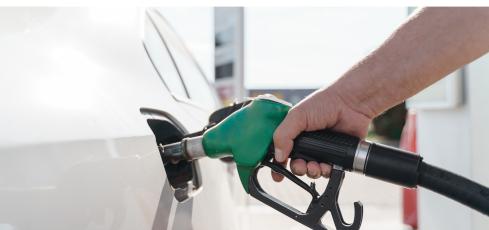
- Consumers could experience those costs in the form of more expensive gasoline and diesel (~41 cents more per gallon), electricity, manufactured goods and everyday activities.
Energy is part of nearly everything people buy and use — from filling up a car and heating a home to shipping goods and running a business. That means added costs from climate superfund bills and retroactive liability lawsuits could impact consumers around the country, through higher prices for fuel, utilities and everyday goods. As superfund and retroactive liability debates continue, these cost considerations need to be part of the conversation.
The American Fuel & Petrochemical Manufacturers (AFPM) is the leading trade association representing the makers of the fuels that keep us moving, the petrochemicals that are the essential building blocks for modern life, and the midstream companies that get our feedstocks and products where they need to go. We make the products that make life better, safer and more sustainable — we make progress.