
What’s New
Union Pacific can’t monopolize the debate over its merger
From AFPM, ACC and ACD: When it comes to its proposed merger with Norfolk Southern, Union Pacific seems increasingly intent on monopolizing not only the nation's freight rail system, but the debate over whether the deal is good for America. UP executives have attacked trade associations for speaking out against the merger, arguing that because the railroad does not directly serve our organizations, we should not have a voice in the debate. They have it backwards. We don't serve Union Pacific. We serve our members.
AFPM: RFS reallocation would undercut WH fuel affordability efforts
WASHINGTON, D.C. — American Fuel & Petrochemical Manufacturers (AFPM) President and CEO Chet Thompson issued the following statement today on EPA’s release of a proposed rule to expand the 2026-2027 Renewable Fuel Standard (RFS) by tacking on additional obligations from 2025 via “reallocation.”
Issues and Policies




18.6 million
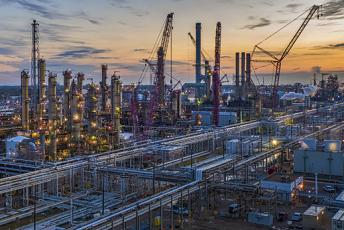
U.S. refining increased to more than 18.6 million barrels per day, almost 20% of global capacity.
$185 billion
Petrochemical manufacturers have invested $185 billion to expand operations to meet growing demand.